
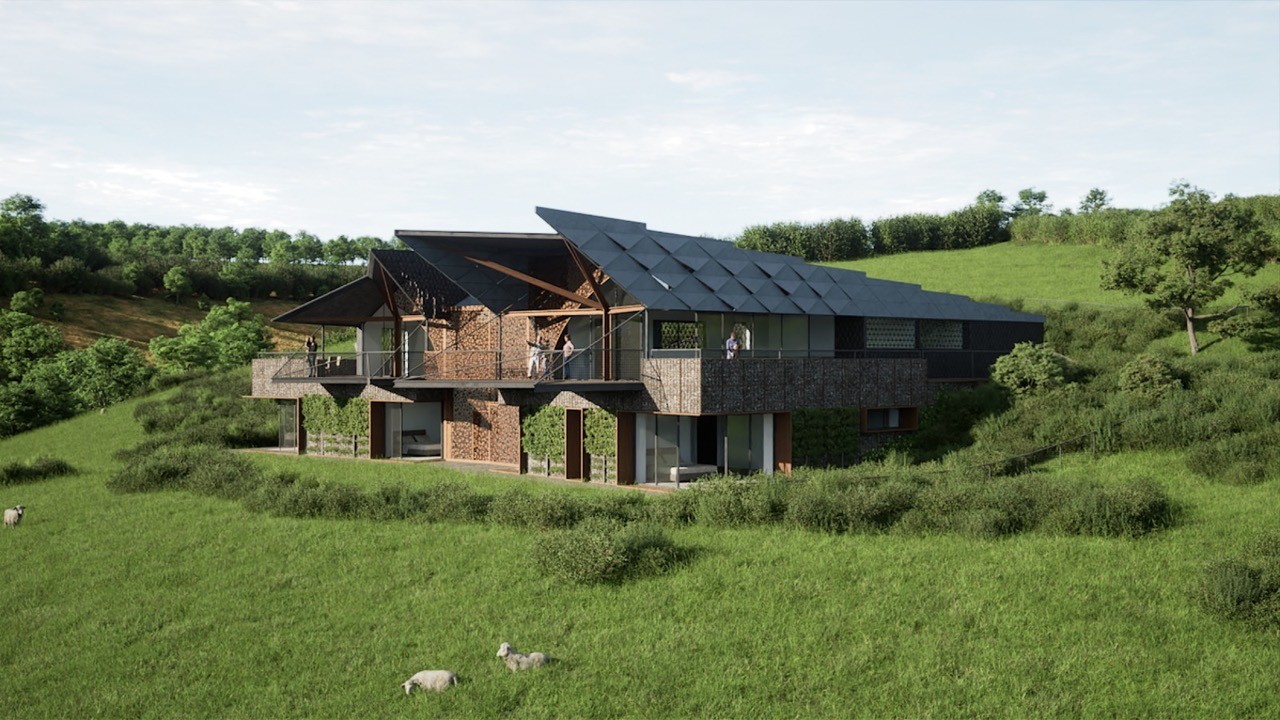
The Impact of Artificial Intelligence on the Architecture Industry: Design vs Automation
As artificial intelligence (AI) continues to reshape industries across the globe, architecture is entering a new phase—one where the boundary between human creativity and machine efficiency is being redrawn. For many in the profession, particularly those engaged in “boring” or repetitive schemes, the rise of AI may feel like the replacement of the designer with an automaton. Tasks once managed by junior architects or even non-architects —standardised plans, regulatory submissions, spatial layouts—are increasingly being delegated to machine learning algorithms and generative design tools.
AI excels in scenarios governed by logic, repetition, and optimisation. In large commercial developments, infrastructure projects, housing schemes, and logistics-based architecture, AI-driven software can propose layouts, optimise materials, and ensure compliance with regulations faster and more cheaply than a human team. These kinds of projects, often devoid of expressive design, are ripe for automation. Consequently, the perceived value of human design input in these areas is declining, a shift that is already being felt in firms that prioritise efficiency over innovation.
However, in projects where design is pre-eminent—where architecture is art rather than algorithm—AI remains a tool rather than a replacement. The nuances of cultural expression, human emotion, and context-specific creativity are not yet, and may never be, replicable by AI. For practices like Collaborative Architecture, where design remains front and centre, the rise of AI may in fact be clarifying: reaffirming the enduring value of artistic judgement and conceptual clarity.
Reflecting on a 25-year career since founding the Reid Jubb Brown Partnership in 1998, which melded into another form, this distinction has only grown sharper. At that time, the internet and AI were not part of architectural vocabulary, yet the practice championed the idea of a design-led studio. That belief has stood the test of time and formed the ethos and basis of Collaborative Architecture Ltd. Even now, as AI transforms the professional grind—automating what was once considered foundational practice work—there is growing recognition that true design cannot be imitated by code.
For those fortunate enough to focus on artistic architecture, such as ourselves at Collaborative Architecture, AI may offer liberation from drudgery rather than competition. The future of architecture may well be split: automation for the predictable, and human vision for the profound. I know where we at Collaborative will want to be; producing exciting and sustainable designs which are reviewed by our peers and given that stamp of excellence.
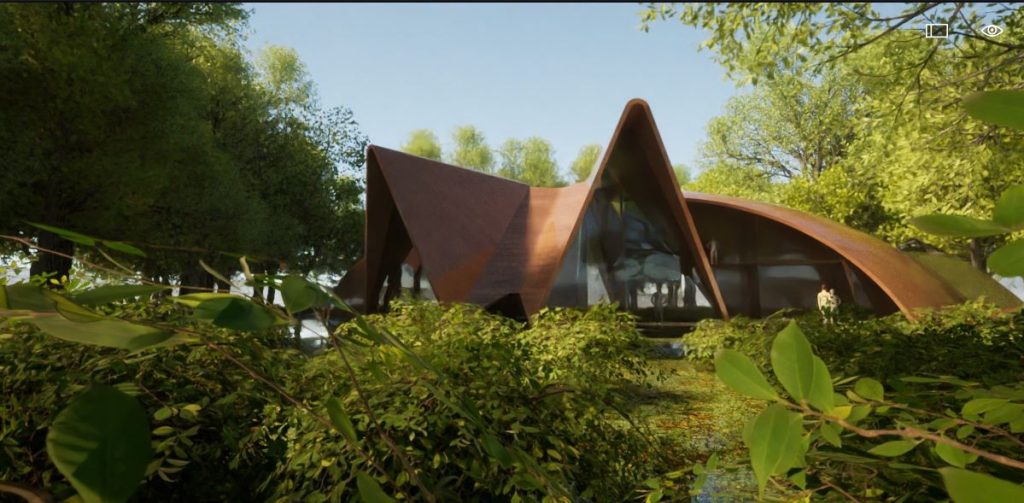
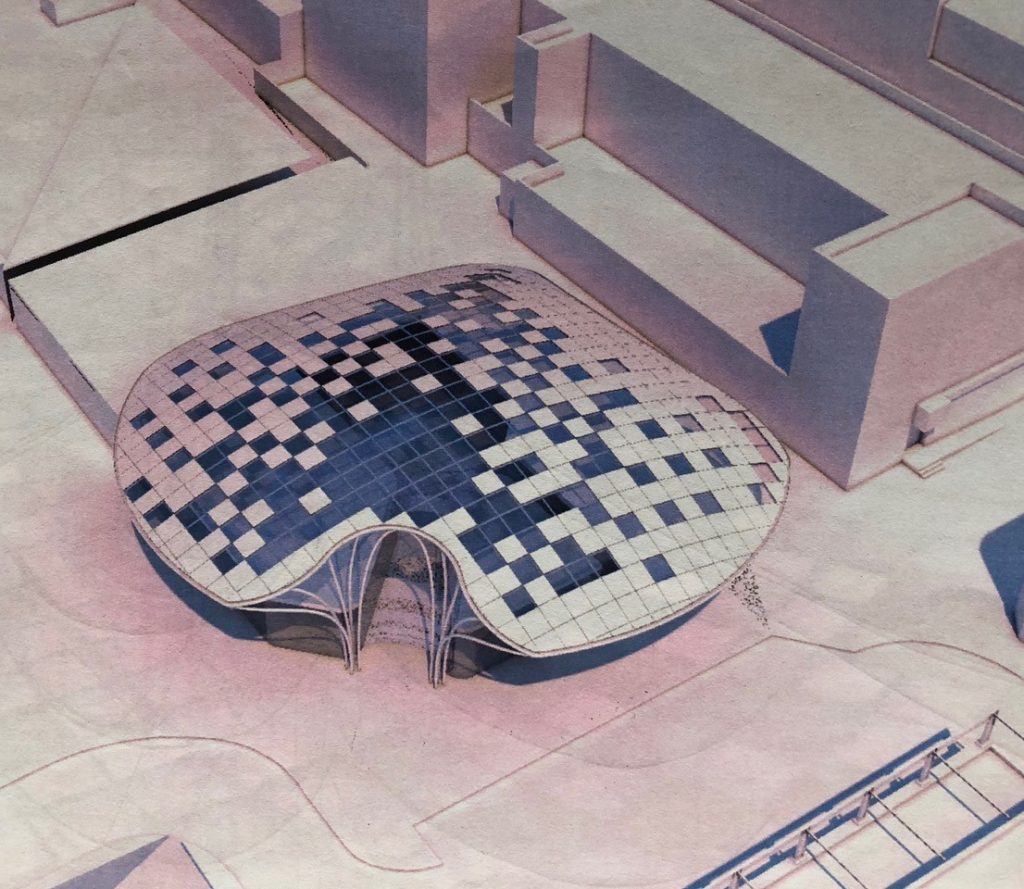
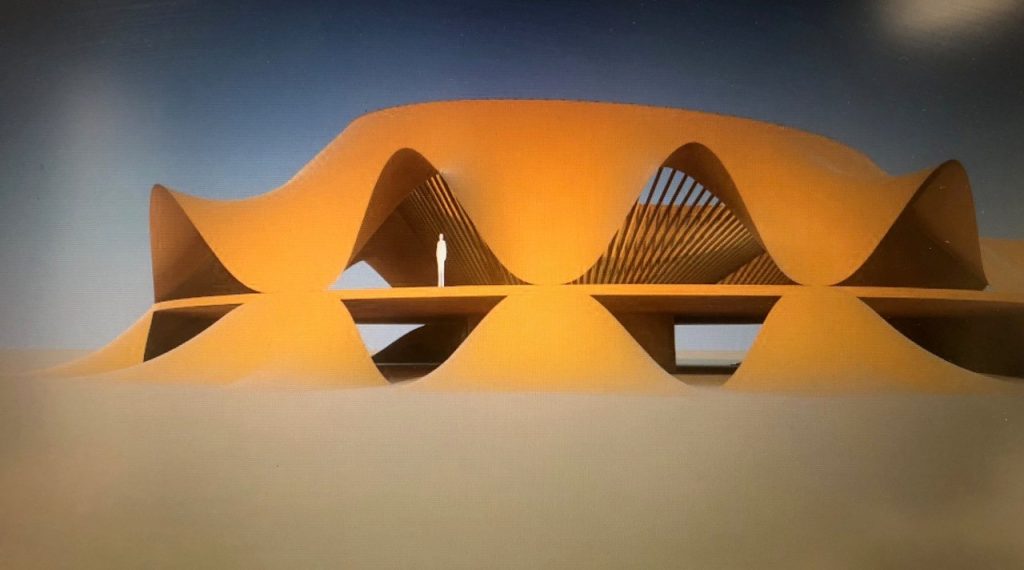
We are proud to feature and promote in our architecture magazine: The Impact of Artificial Intelligence on Architecture.