
Introducing: PAM Ecosystem (Professional Architect Mentors)
A Digital Platform / Professional Development Infrastructure / Architectural Education System
www.professionalarchitectmentors.com
Location: London, United Kingdom (Global Digital Platform)
PAM Ecosystem is a purpose-built digital platform transforming architectural education and professional development. Developed by Studio RDN-X, it addresses long-standing gaps in experience tracking, mentorship, and industry readiness. Designed for students through to qualified practitioners, it integrates learning, simulation, and real-world application into a single, structured environment.
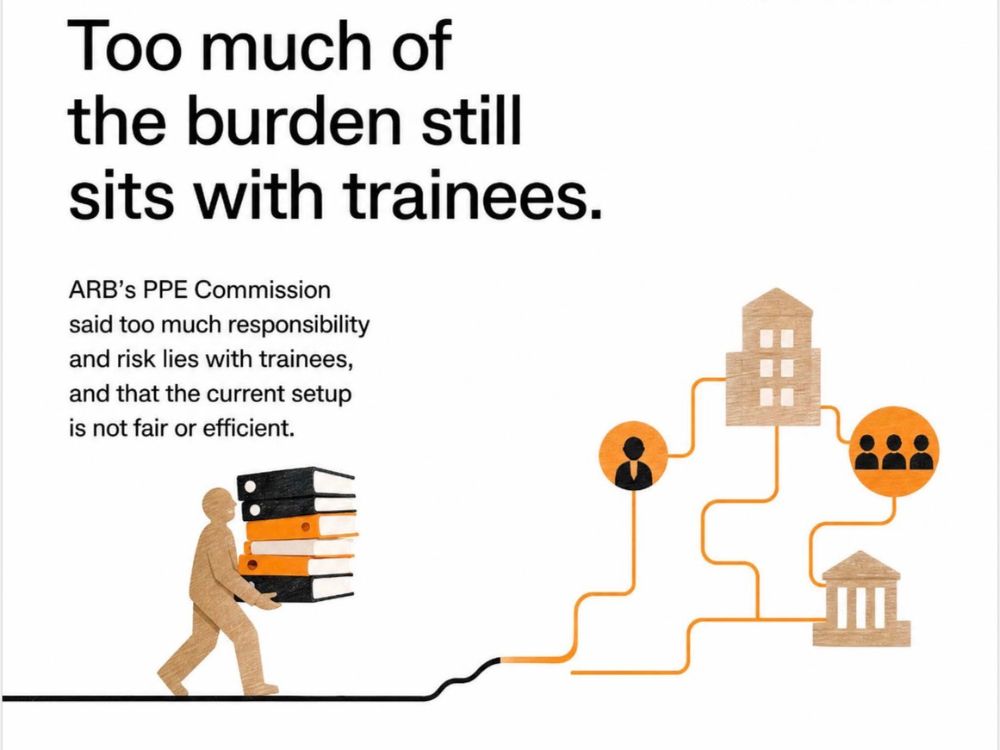
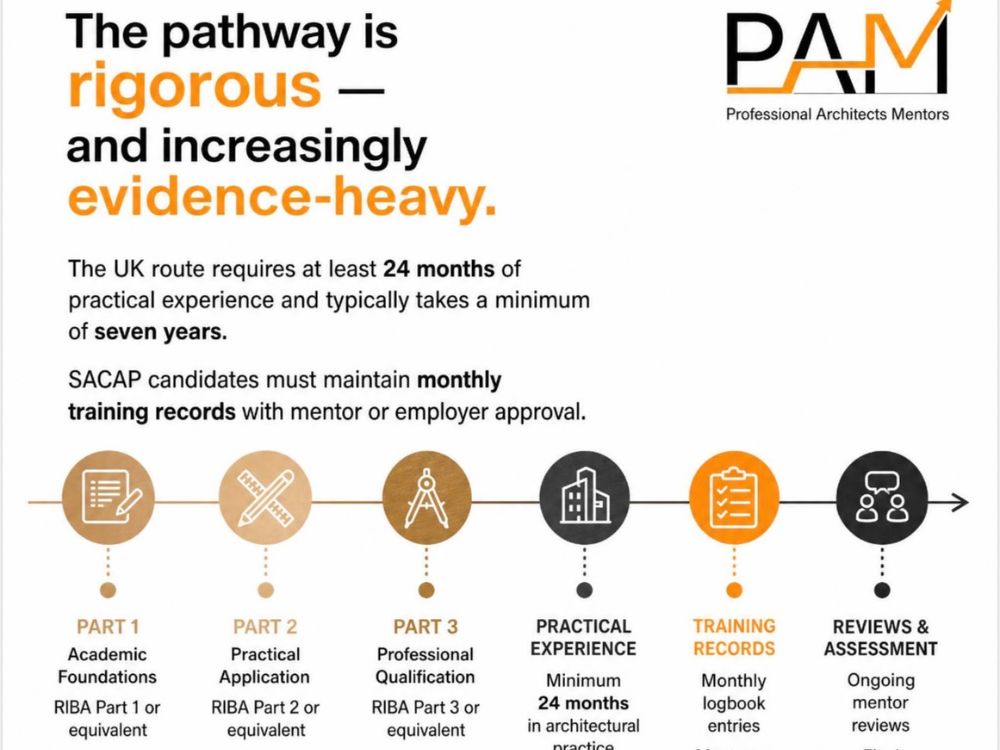
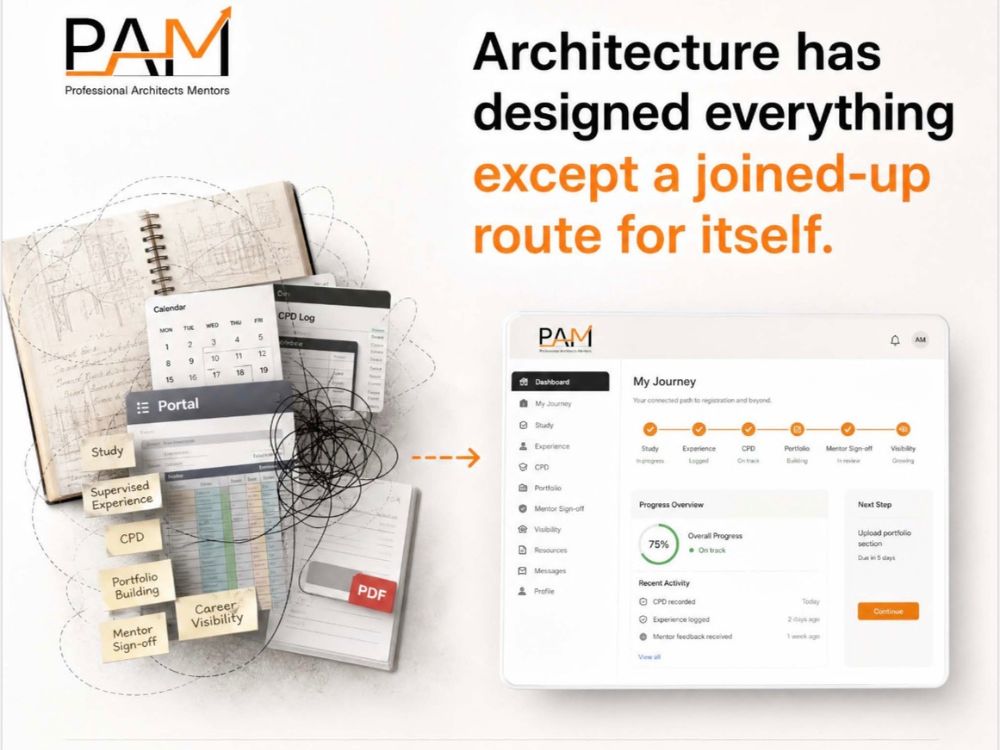
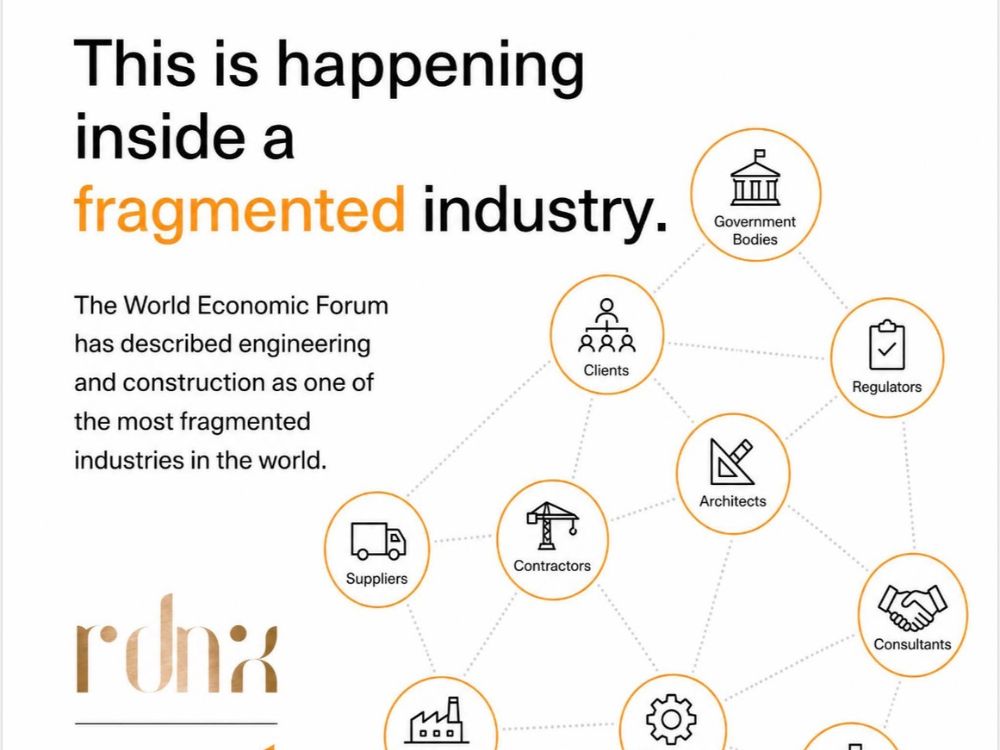
Architecture has long relied on fragmented systems to guide individuals from education into professional practice. While the pathway is clearly defined—Part 1, Part 2, Part 3—the tools supporting that journey have remained static, often disconnected from the realities of contemporary practice. PAM Ecosystem was developed in response to this disconnect.
At its core, PAM Ecosystem is not simply a platform—it is infrastructure. It rethinks how architectural knowledge is acquired, tested, applied, and recognised. Built by Studio RDN-X under the Professional Architect Mentors (PAM) initiative, the platform introduces a fully integrated model that connects learning directly to professional output.
The system operates across four key layers: Learning, Simulation, Application, and Output. This structure ensures that users are not just consuming information but actively translating it into practice. Traditional methods often separate academic learning from real-world experience; PAM Ecosystem collapses that gap.
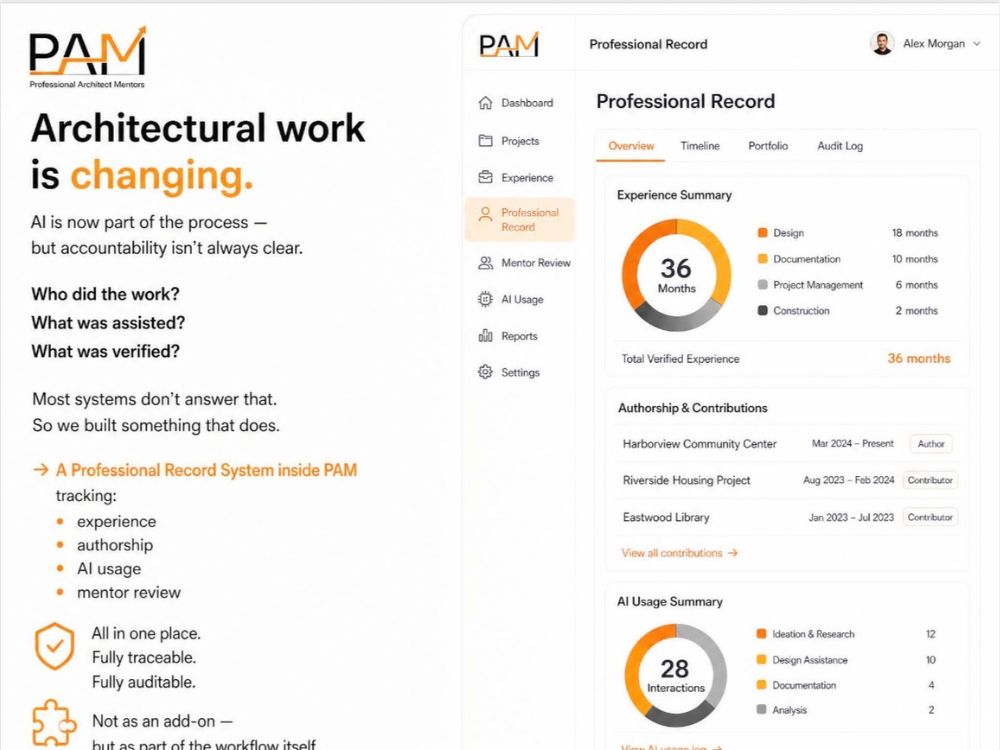
One of the platform’s most critical innovations is its reimagining of the experience logging process. Historically, experience logs have been rigid, administrative exercises—retrospective records that do little to actively support learning. PAM Ecosystem transforms this into a live, interactive system. Through its “Experience Log,” users can document, reflect on, and receive feedback on their work in real time, supported by mentors, educators, and industry professionals.
This shift is significant. It moves architectural training from passive documentation to active supervision and growth.
Beyond logging, the platform introduces simulation environments—including contract-based learning tools and technical scenario testing—allowing users to engage with real-world challenges before encountering them in practice. This is particularly important in an industry where exposure to critical stages—such as procurement, contracts, and technical detailing—is often inconsistent.
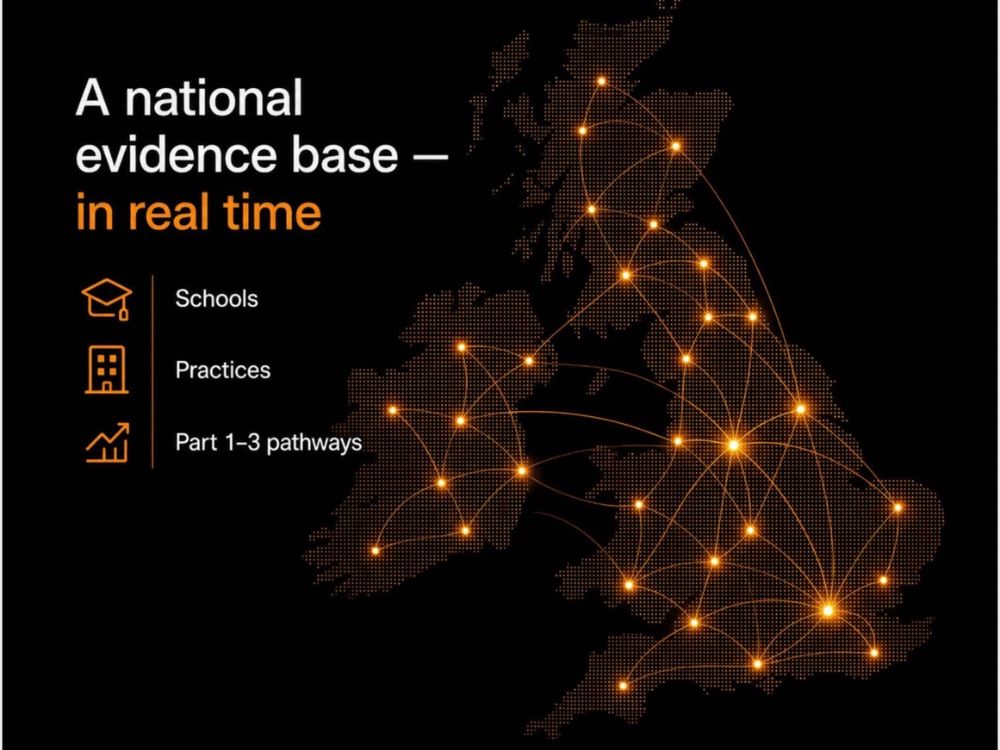
Equally, PAM Ecosystem is designed to serve multiple stakeholders simultaneously. Students gain clarity and structured progression. Mentors are given tools to guide and verify development. Practices benefit from better-prepared candidates. Institutions gain access to data-driven insights into learning outcomes and professional readiness.
This multi-layered approach reflects a fundamental belief: architectural education does not end at university, and professional development should not begin only once employment starts. Instead, the two must operate in parallel.
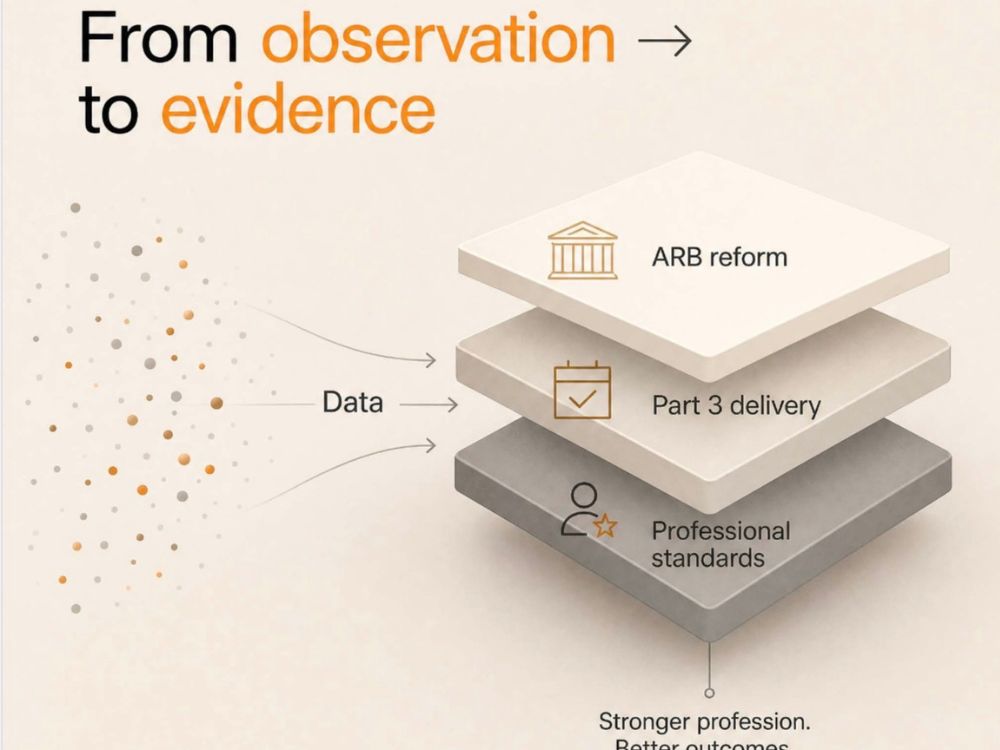
The platform is also aligned with professional standards, including RIBA and ARB frameworks, ensuring that its outputs remain relevant to accreditation pathways while pushing beyond their current limitations. In doing so, PAM Ecosystem positions itself not as a replacement, but as an evolution—an adaptable system capable of responding to industry change.
Accessibility is another key driver. PAM Ecosystem is available as a responsive web application, with native mobile integration in development, ensuring that users can engage with the platform seamlessly across devices. This reflects the realities of modern practice, where learning and work are no longer confined to fixed environments.
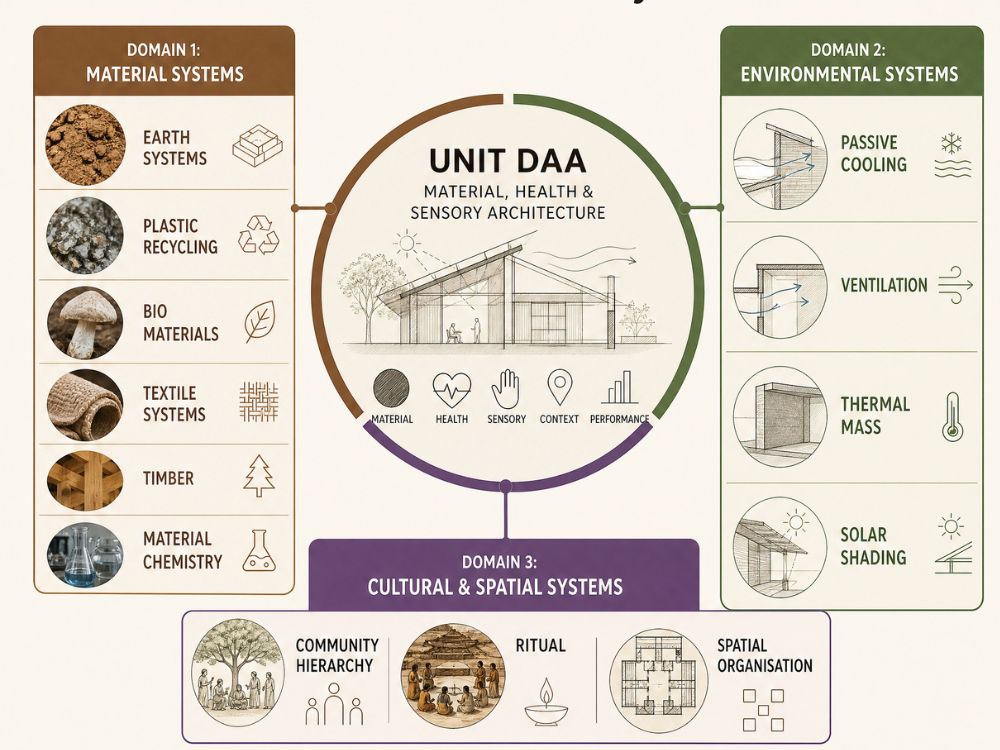
Importantly, PAM Ecosystem is part of a broader vision. It sits within an expanding ecosystem that includes public-facing knowledge platforms such as Musings Behind the Creative, as well as global educational initiatives like Design Associates Africa (DAA). Together, these form a connected network aimed at reshaping how architecture is taught, practiced, and experienced across different contexts.
Ultimately, PAM Ecosystem addresses a simple but critical issue: the gap between education and practice. By introducing structure, accountability, and real-time engagement into that space, it offers a new model—one where architectural training is continuous, supported, and directly aligned with the demands of the profession.
The platform is now live and accessible online, with ongoing development focused on expanding its simulation capabilities, institutional partnerships, and global reach.
Where to Find PAM Ecosystem
You can explore the platform at: www.professionalarchitectmentors.com