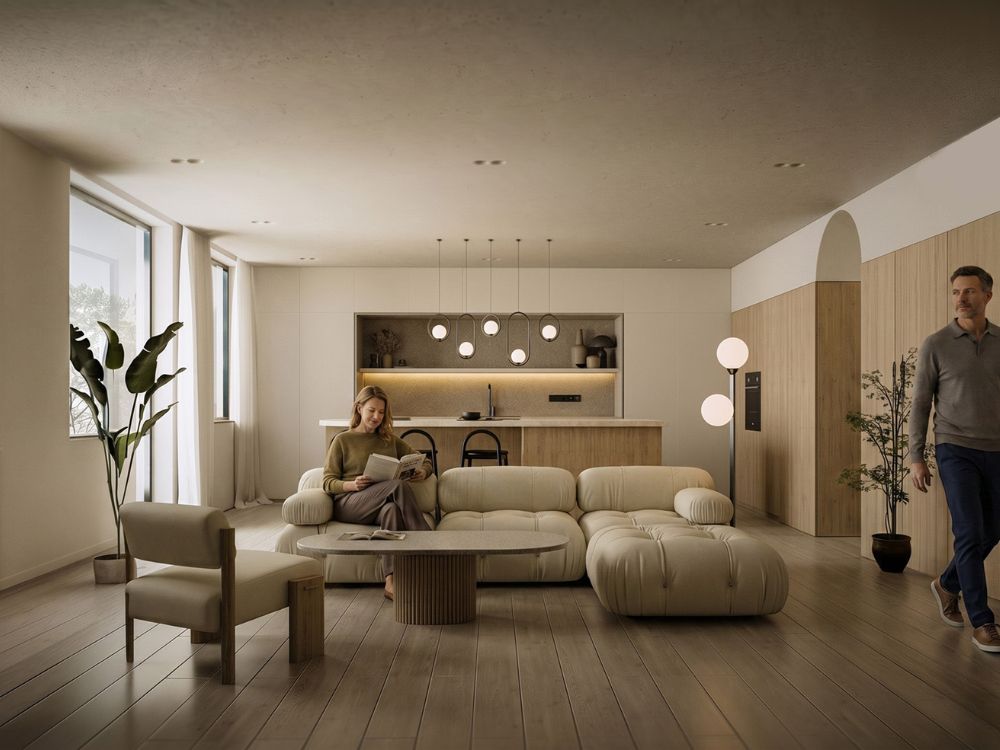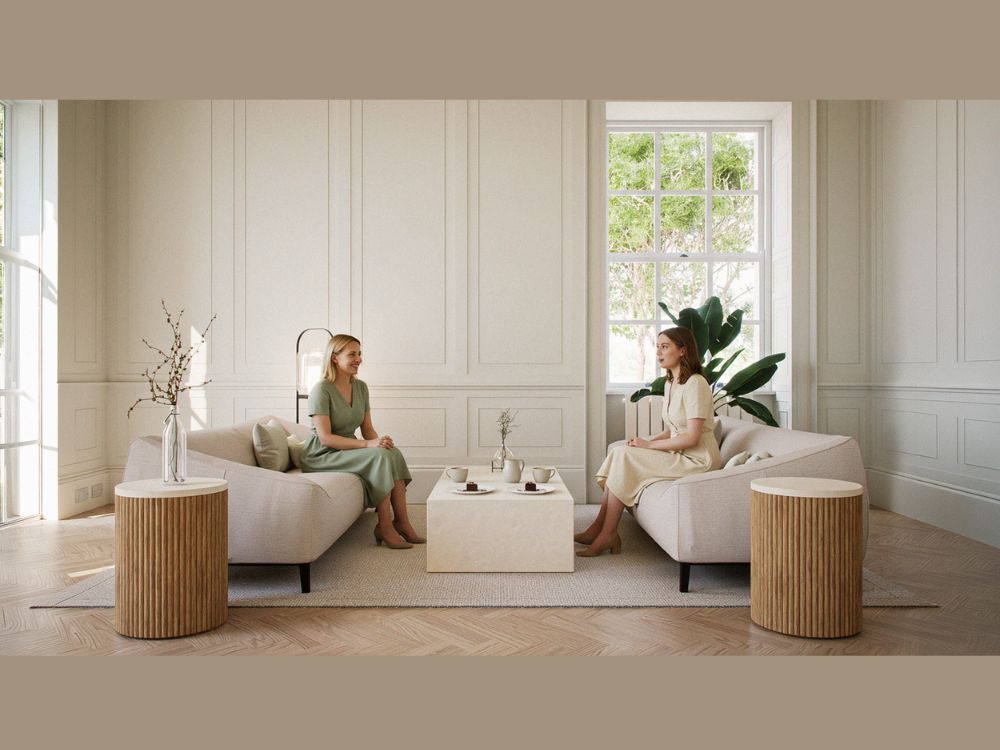
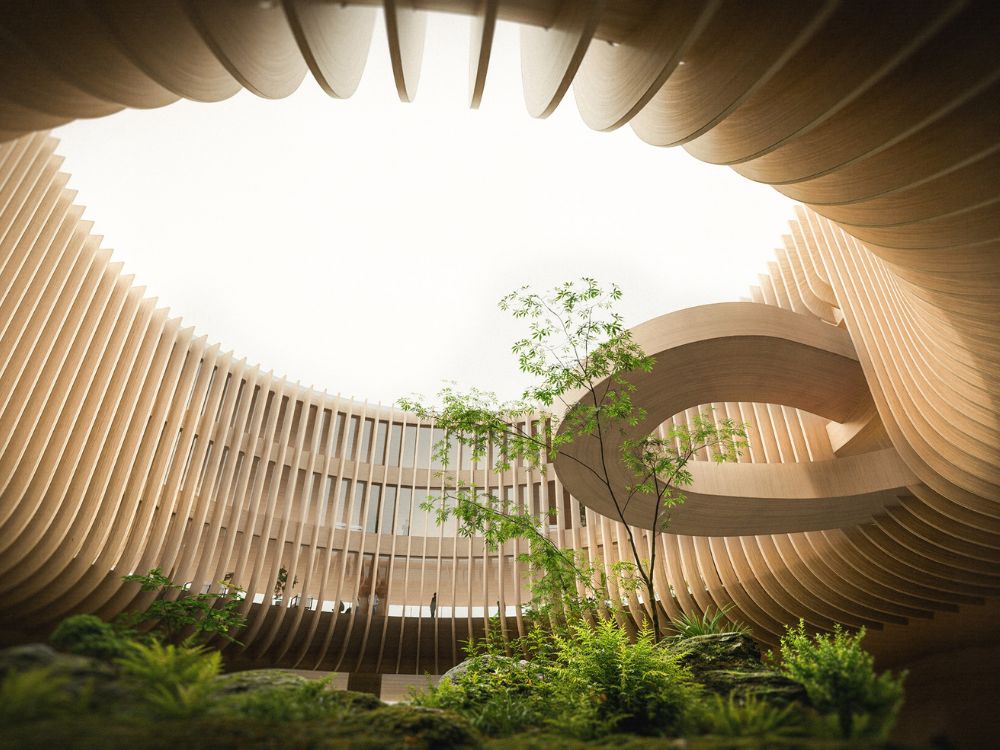
Architectural CGI Showreel
By: Monolith Visuals
A look at how moving visuals are helping architects, designers and developers present projects with more clarity.
Bristol, United Kingdom
Monolith Visuals have released a new architectural CGI showreel on their website offering a concise look at how animation, atmosphere and newer AI-assisted workflows are beginning to shape the way projects are presented.
Architectural visualisation has always played an important role in helping people understand a proposal before it exists. A still image can explain scale, materiality, context and intent in a way that drawings often cannot do for a wider audience.
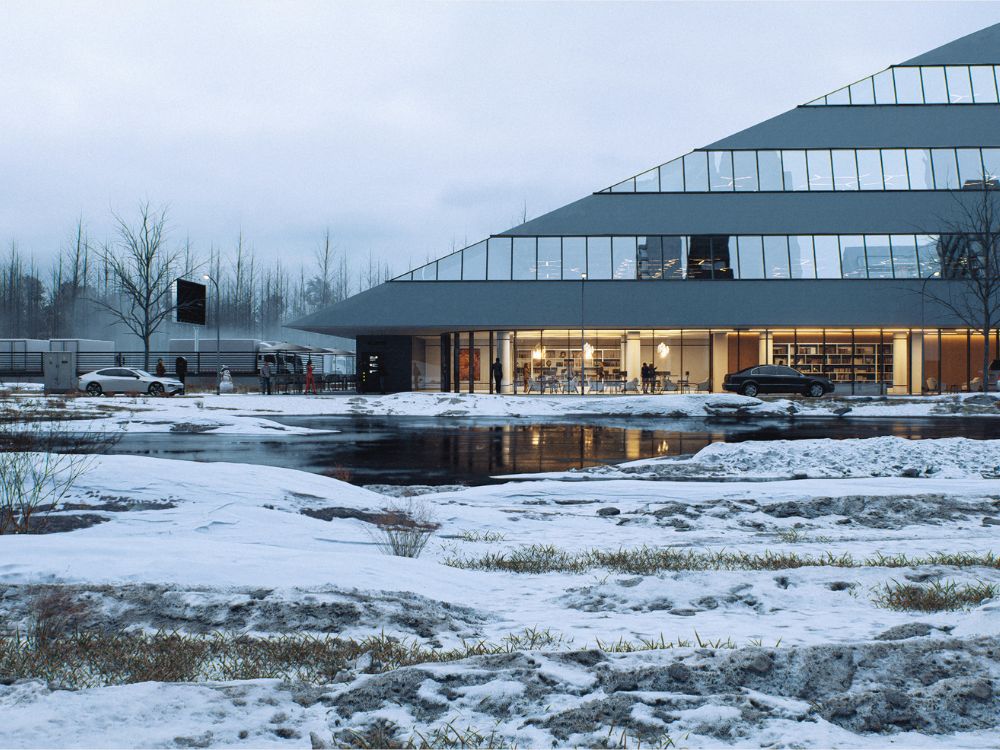
Animation adds another useful layer to that process. It can show how a person approaches a building, how a space opens up, how light moves across a scene, or how a project sits within its wider setting. That makes moving visuals particularly useful when a proposal needs to be understood by clients, consultants, stakeholders or the public.
The new Monolith Visuals showreel brings several of these ideas together, demonstrating how CGI animation can be used to explain a project with more clarity and feeling.
What is particularly interesting is the way newer tools are starting to support traditional CGI workflows. AI-assisted processes and real-time rendering are moving quickly, but their value depends on how they are used. The stronger results still rely on composition, material quality, lighting, modelling, camera movement, timing and atmosphere.
New technology can help visual teams test, refine and produce work more efficiently, although it still needs a disciplined visual approach behind it. That is where the showreel feels useful. It shows CGI, animation and newer production methods working together to make architectural ideas easier to understand and more engaging to present.
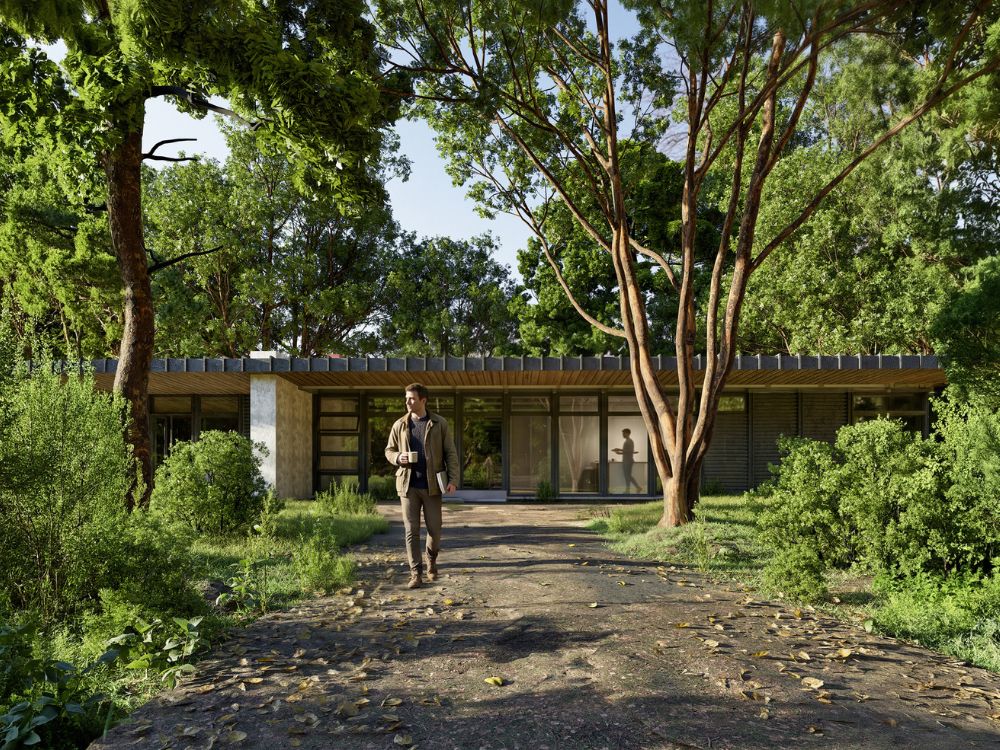
For architects, designers, developers and project teams, the way a project is presented can affect how quickly people understand it. A short film, moving still or animated sequence can help people understand more than the appearance of a project. It can show how the proposal is experienced, how spaces relate to each other and how the design sits within a broader environment.
The architectural CGI showreel is available to view on the Monolith Visuals website and is worth watching for anyone interested in how visualisation is developing.
Monolith Visuals also have a product-focused release coming next week, which should offer a closer look at how these same ideas are being applied in a more specific visual format.
This latest feature though highlights how evolving architectural visualisation, CGI animation and disciplined digital workflows continue to strengthen the wider built environment network, helping project teams communicate design intent with greater clarity, atmosphere and real‑world understanding.