The Durley Chine Environmental Hub
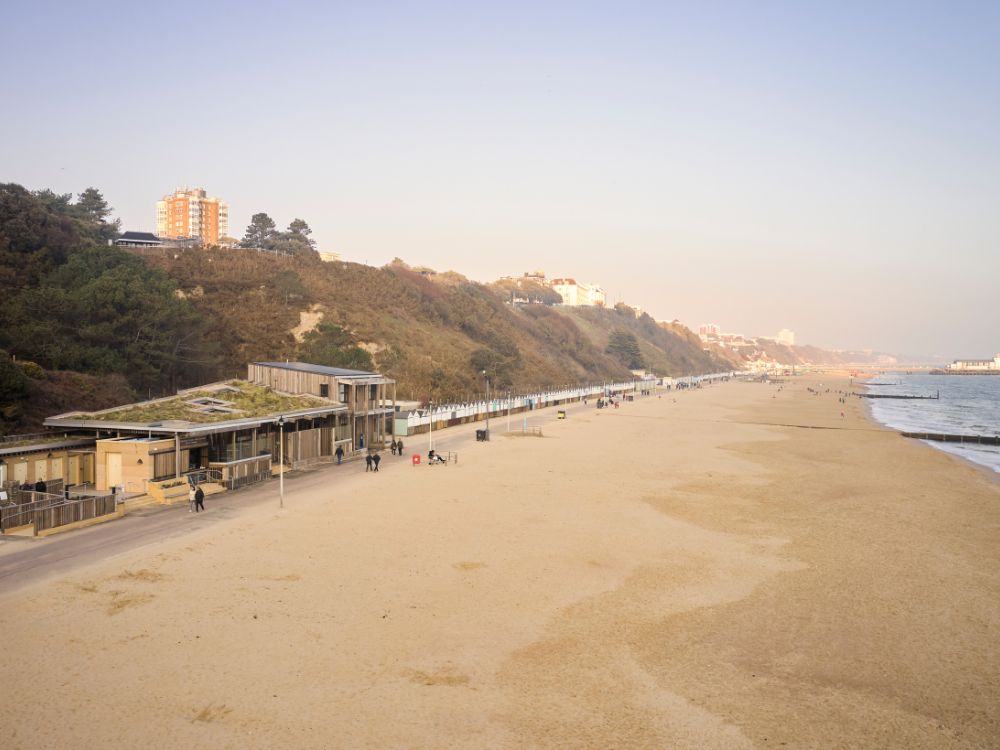
The Durley Chine Environmental Hub is a landmark project that demonstrates Footprint Architects’ commitment to creating people focused places that actively address climate challenges. Commissioned by BCP Council, the Hub sets a new standard for coastal community buildings through Passivhaus certified performance, Net Zero operational targets, and a construction strategy centred on reuse, low embodied carbon, and long term circularity. Positioned between land and sea, the Hub responds to the thousands of tonnes of waste collected each year along Bournemouth, Christchurch, and Poole beaches, offering a civic space dedicated to environmental education and community engagement.
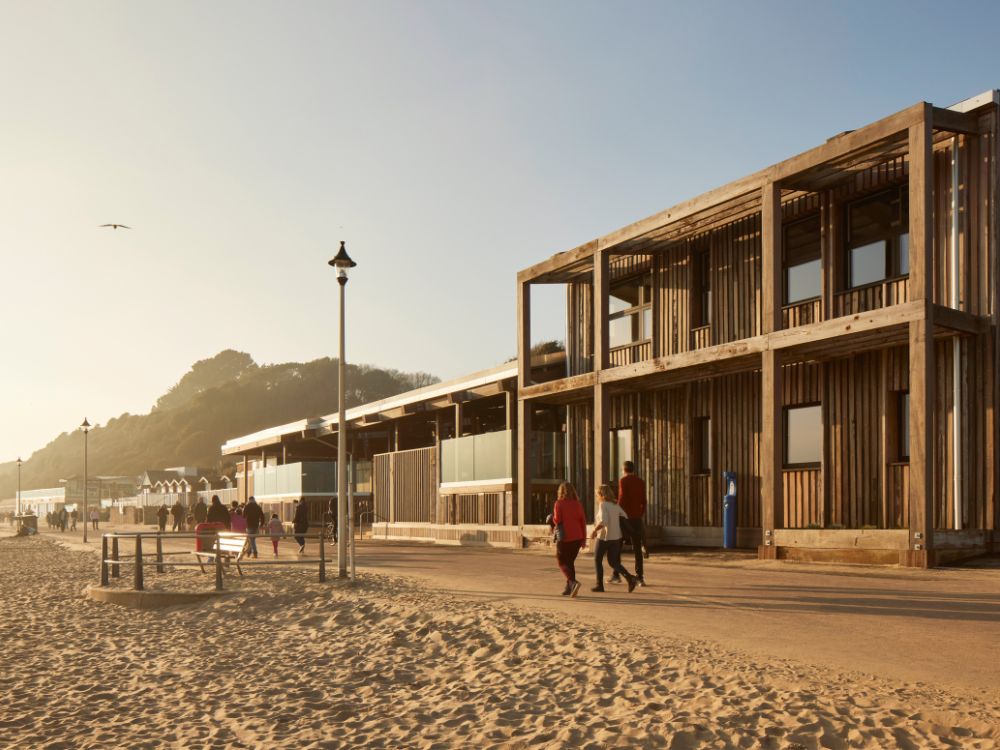
The design aims to make sustainability visible and accessible to all. Welfare, educational, exhibition, and community spaces are arranged to encourage informal learning and interaction, helping visitors understand the consequences of waste, plastics, and consumption in fragile coastal environments. Rather than applying additional finishes or specification layers, Footprint Architects refined the building form to prioritise material efficiency, simplicity, and durability. Natural textures and reclaimed components are celebrated throughout, resulting in a resilient, low energy building with people and long term stewardship at its core.
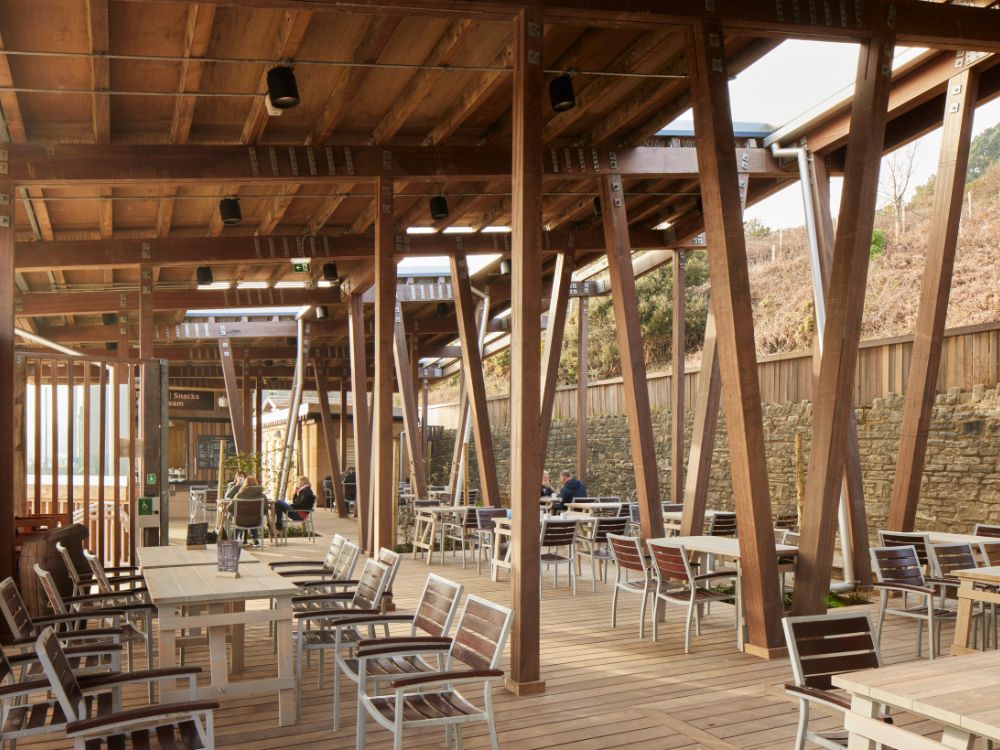
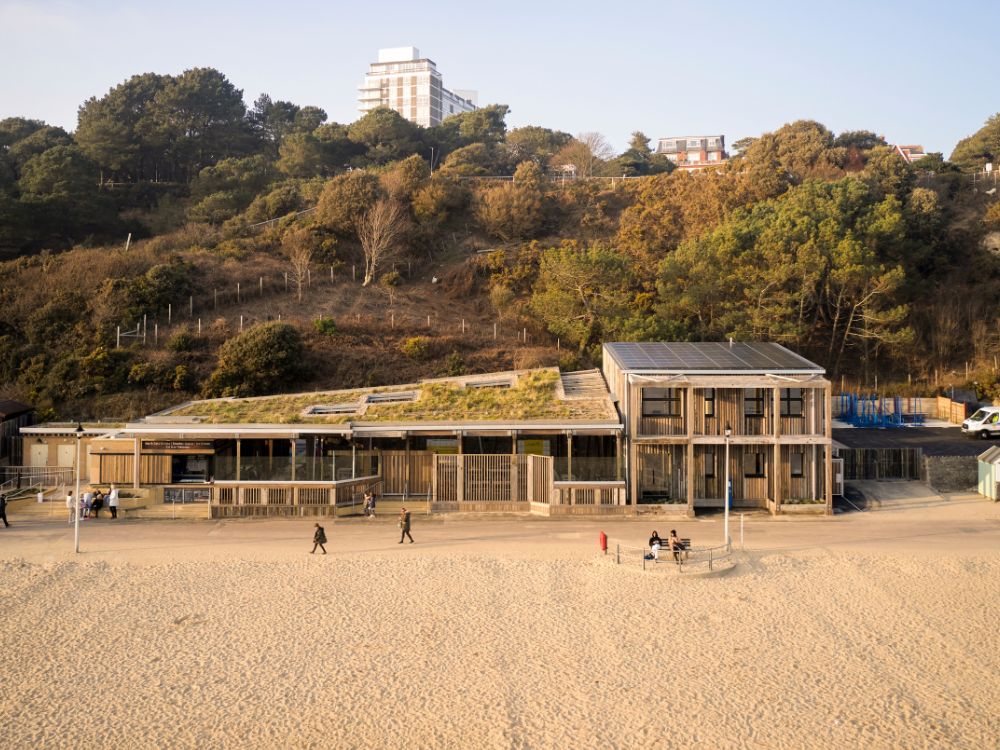
Material reuse defines the architectural character and environmental performance of the Hub. Fifty two tonnes of groyne timbers were reclaimed directly from Bournemouth beach and incorporated as both cladding and structure, retaining a tangible link to the site’s coastal identity. Reclaimed decking sourced from a decommissioned German submarine base, recycled newspaper insulation, locally sourced sand and aggregate, and bathroom panels fabricated from recycled bottles further demonstrate a commitment to material circularity. Plastics were avoided wherever possible, ensuring components remain recyclable or derived from recycled origins. This approach places the reduce, reuse, recycle principle at the centre of the visitor experience and reinforces BCP Council’s coastal waste ambitions.
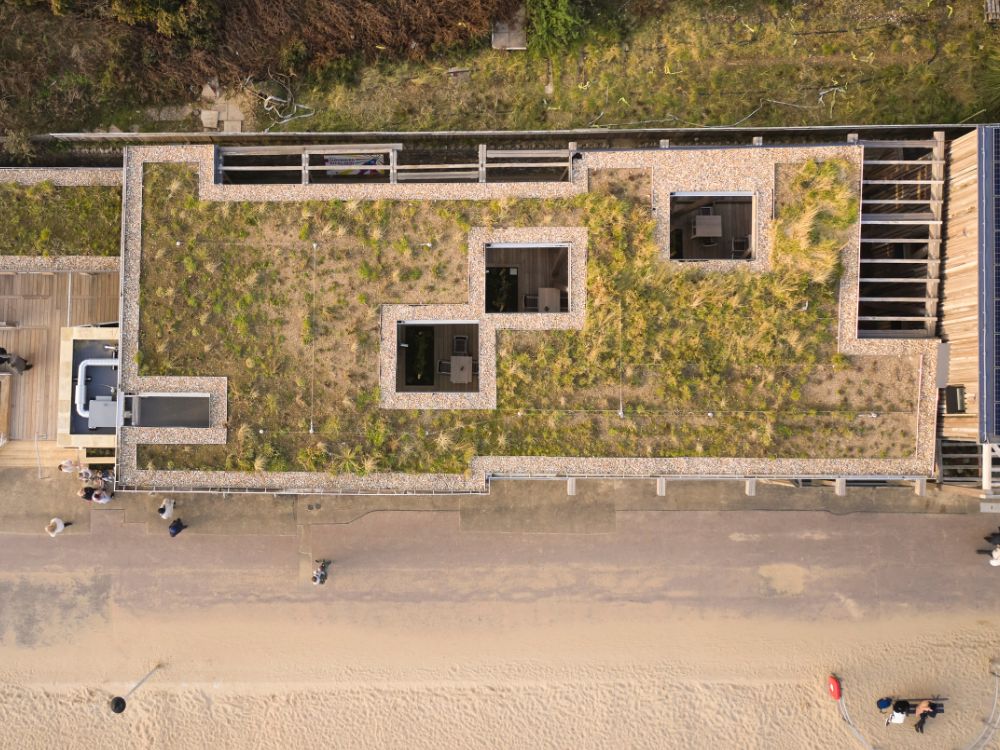
Passivhaus certification underpins the Hub’s energy performance, ensuring exceptional airtightness and stable internal comfort, while minimising heating demand. On site photovoltaic panels generate the regulated energy load, enabling Net Zero Carbon operation. A living roof planted with native species enhances biodiversity, contributes to insulation, and settles the building sensitively into its cliff top context. Low carbon concrete incorporating up to 80 percent cement replacement, sourced from industrial by products, was used throughout the scheme, and steel reinforcement was largely designed out of the structure to lower embodied carbon emissions even further. Together, these strategies significantly reduce whole life carbon impacts and establish a robust environmental precedent for future coastal public buildings.
Modular timber framing and off site fabrication minimised disruption to the popular beach environment and decreased construction emissions. Importantly, the structure has been designed to be dismantled, reused, or recycled at the end of its life. Materials can be recovered and repurposed, establishing a circular legacy and transforming the building itself into a long term resource bank.
The Hub is more than a building. It provides a focal point for community learning and behavioural change centred on environmental responsibility. Public displays introduce visitors to low carbon living, coastal ecology, and responsible waste management. By using the building fabric to demonstrate practical sustainability strategies in action, the Hub empowers individuals, schools, and organisations to adopt more responsible consumption habits. It strengthens community connection to the coast and helps protect the delicate ecosystems that define the local landscape.
The completion of the Durley Chine Environmental Hub represents an important step toward a low carbon future for civic coastal buildings. It demonstrates how Passivhaus principles, reclaimed materials, renewable energy, and circular construction can be applied meaningfully within constrained public projects. Through its design and performance, the Hub offers lasting environmental, social, and educational value. It stands as proof that forward thinking architecture can reduce carbon emissions, enrich community experience, and strengthen the relationship between people, place, and nature.